Real young people. Real outcomes. The potential was always there — it just needed the right conditions.
"Stuart took the time to genuinely ascertain what my son needed. Nothing throws him. My son has gained a lot of confidence — he feels safe to engage, but also safe to step back without fear."
— PARENT · EOTAS · OXFORDSHIREAll names anonymised. Profiles and outcomes are real.
"He came in meowing. He left explaining science."
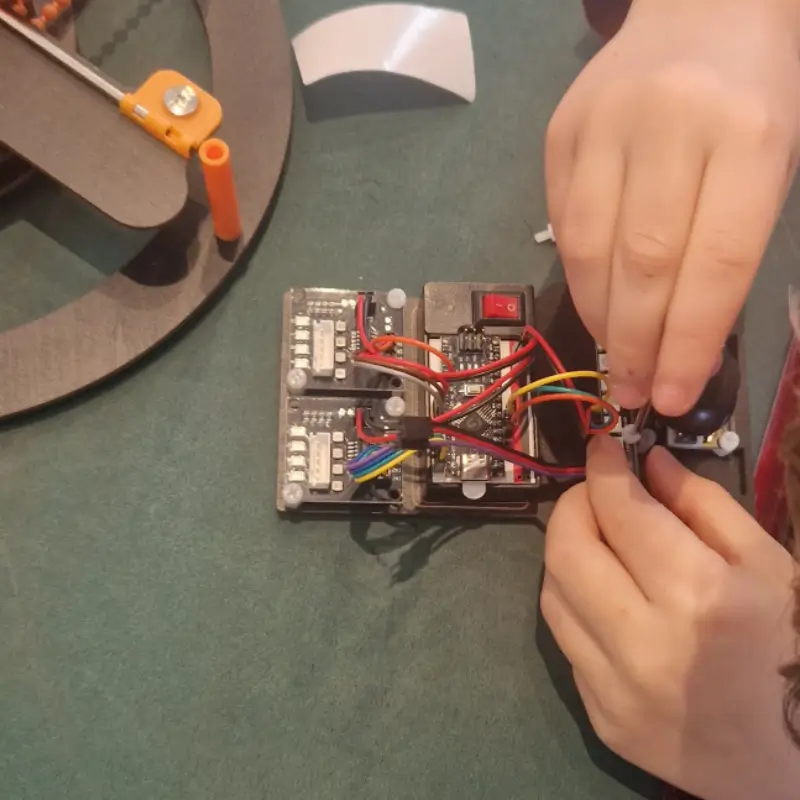
E was eight years old and hadn't been in school for two years. Twice-exceptional — reading age of fourteen, a natural mathematician — but demand avoidance and overwhelm meant he spent most of his time under the table. We didn't start with learning. We started with robots. Shared interests first — coding, gaming, science, building things. Humour. A simple negotiation: ten minutes of what I want, ten minutes of what you want. Gradually the ten minutes became twenty. The meowing became explanation. The avoidance became hyperfocus. By the time we finished working together he was regulated enough, confident enough, and capable enough to begin preparing for secondary school — something that had seemed impossible two years earlier.
Transition: EOTAS to secondary school preparation. The ability was always there.
"Predicted Grade 1. Achieved Grade 6. Nobody believed in him. We did."
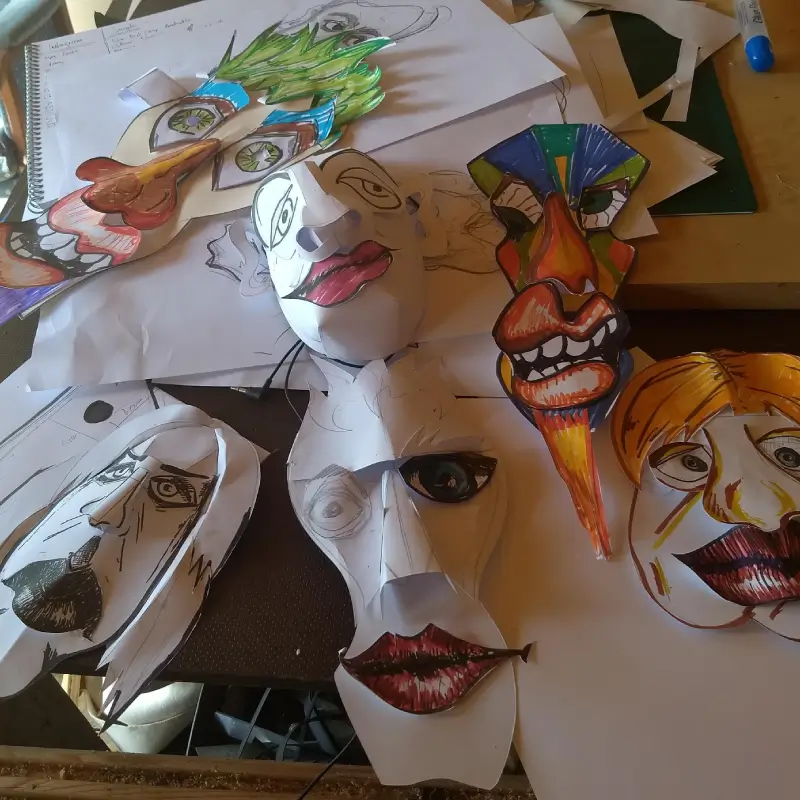
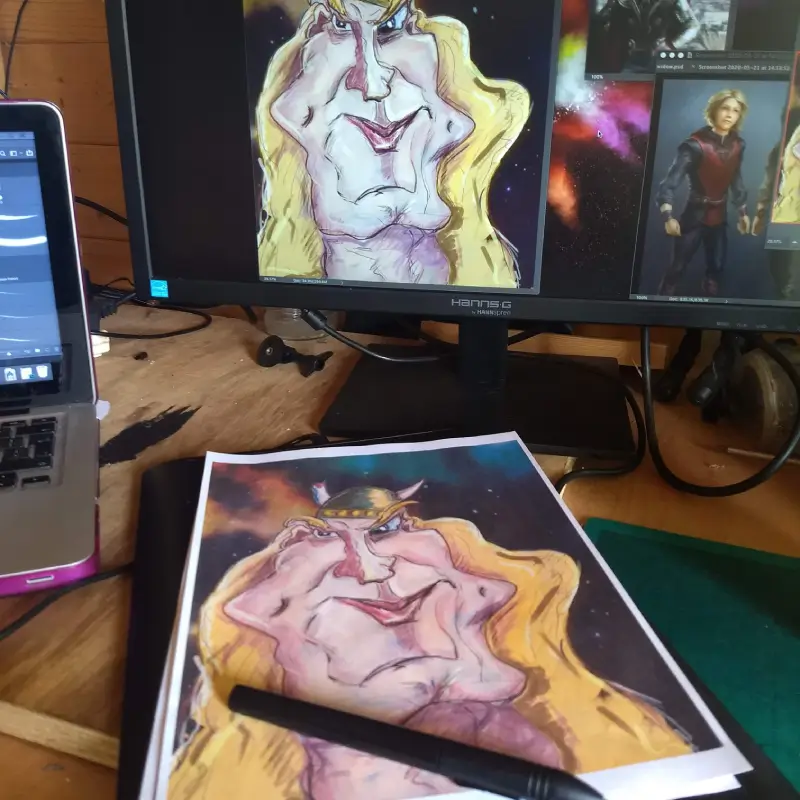
Nobody believed in K. Not his teachers, not the support staff, not the system that had assigned him a predicted grade of 1 in Art & Design GCSE. He'd missed years of school through anxiety. I found his visual imagination interesting. So we built the entire GCSE around what he actually wanted to make: a cosplay costume from his favourite game. Armour. A sword. Constructed from card, foam, and whatever materials the project demanded. We built a portfolio around it. We worked through technical drawing, design process, material exploration — all anchored to the thing he cared about. We failed versions and rebuilt them. We overcame design faults together.
Grade 6 GCSE Art & Design. Went on to study Art and Games Design at college. Became, in his own words, the cool kid.
"Entry Level 1 to Functional Skills Level 2 in a year. Someone finally listened."
R was fifteen, had barely been in school, and had spent time involved in county lines. His family had been relocated. When we started on maths, he could barely manage basic addition and subtraction. There was no point pretending otherwise. So we started exactly where he was. Gamified number work. Football. Music. Role play — because R wanted to be an actor, and that ambition was fuel. A relationship built on honesty, consistency, and the simple act of actually turning up and caring.
Entry Level 1 to Functional Skills Level 2 in one year. Two post-16 offers — Drama and Sports Management.
"The magic was always there. It just needed a stage."
I was thirteen, on the autistic spectrum, ADHD, and a genuine disruption to everything around him. Funny — genuinely, naturally funny — but that energy was going sideways. There was an arts event coming up. I made him a deal: complete the work, improve the attitude, and we'll build you a stand-up set. We wrote pun jokes. We workshopped material. He performed to over a hundred pupils and teachers. He was brilliant. His behaviour changed. His attitude changed. He became someone people wanted to be around. He built a reputation — the funny guy — and that identity gave him somewhere to stand.
School reintegration. Performing in school panto. Called me the Big Yin. I'll take that.
"We didn't redirect his energy. We gave it somewhere worth going."
Z was thirteen, exceptionally bright, and completely misdirected. He mastered our games design programme faster than anyone. Rather than contain that, we redirected it. I asked him to explain it to me. Then to explain it to other young people. To become, in effect, the expert in the room — because he already was. That shift — from disruption to authority — was the whole intervention. Z found it genuinely challenging. Being responsible for others' understanding requires patience, clarity, and respect for the people you're teaching. These were not his strong suits. He developed them anyway.
OCR National in Computing and Media. And a life lesson no lesson plan could have taught him.
"He didn't tell me what was wrong until he trusted me. That conversation changed everything."
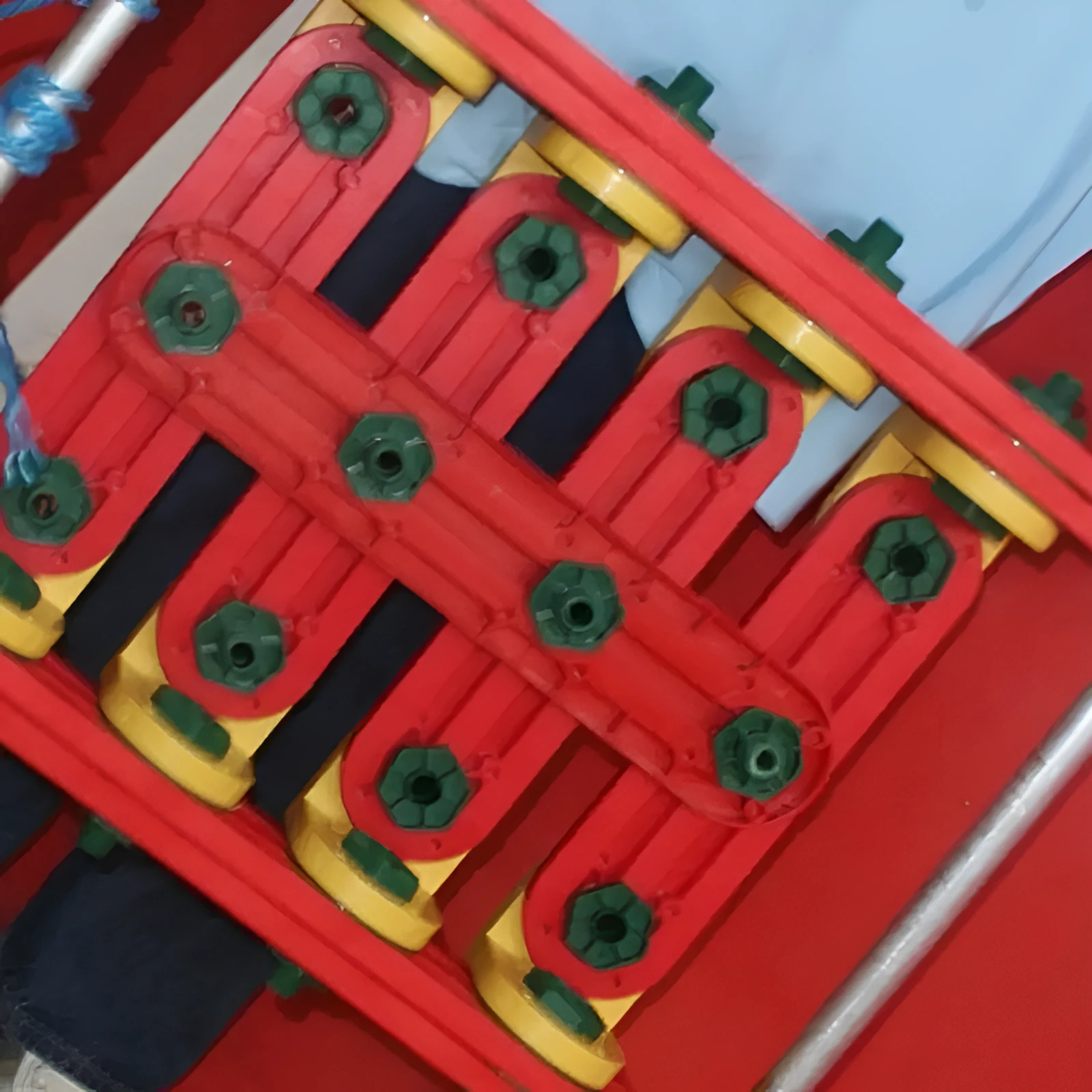
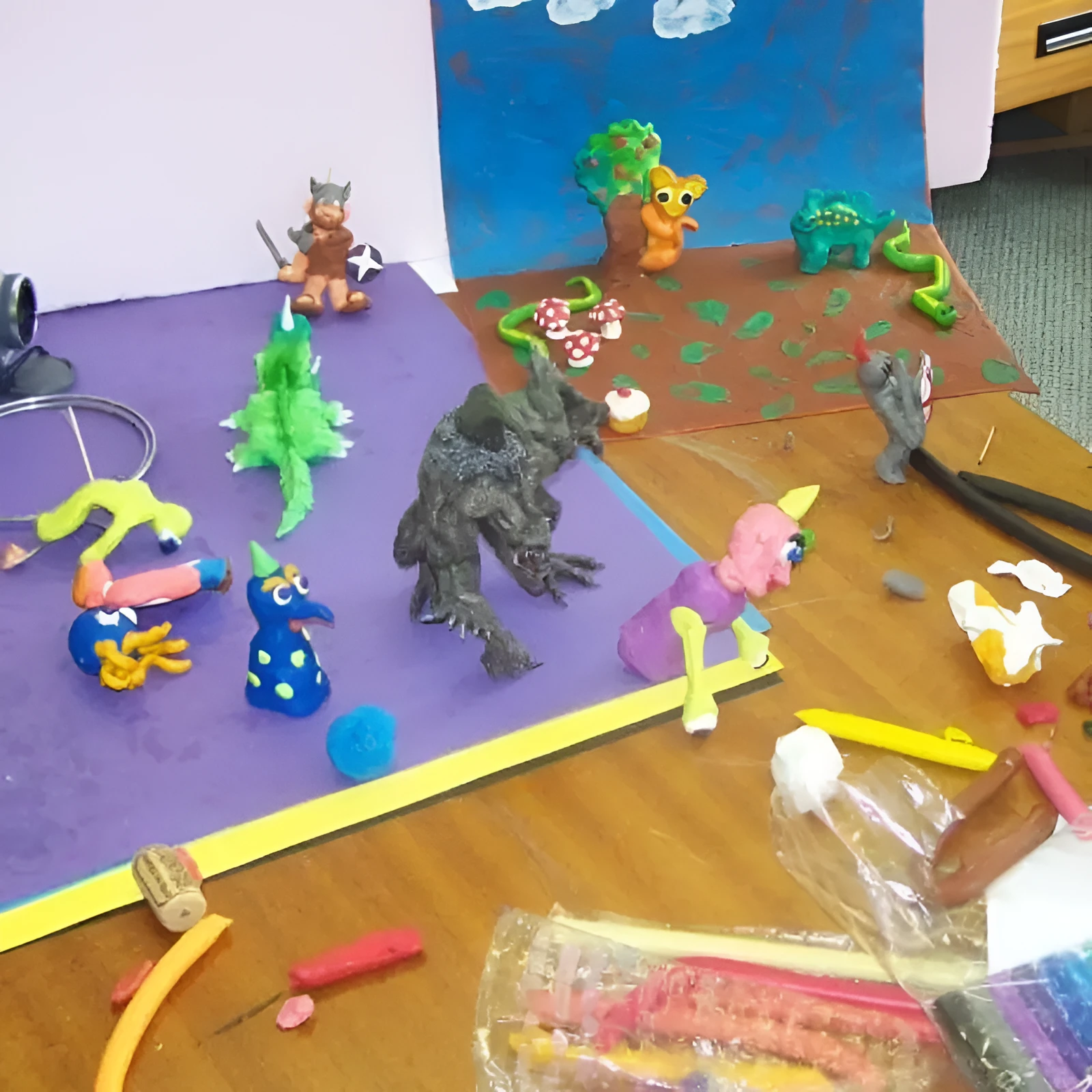
C was thirteen, bright, and completely at war with the world. ASD, ADHD, PDA — and a sensitivity to noise and overwhelm that made conventional settings almost impossible. Adults were suspects. Instructions were provocations. We didn't push. We listened. Claymation films first. Then MTA Giant Meccano — pulleys, towers, go-karts, systems thinking through physical making. The real breakthrough wasn't a project. It was a conversation. C told me — when he was ready — that he simply couldn't concentrate in certain situations. Not wouldn't. Couldn't. Once we understood the real barrier, we could design around it.
Reintegrated into special school within a year. Regulated, engaged, in an environment shaped around who he actually was.
"The gaps were on paper. The ability was in his hands."
G had barely had formal education. SEMH, ADHD, home-educated. But watching him do woodwork told me everything — he was a natural engineer. An innate sense of how things fit together, what materials want to do, how to solve a practical problem without being told the method. We built around that. Robot challenges. Lego Spike Prime. Coding. Woodwork. Each project gave structure and systems thinking to what he was already doing instinctively. He came alive. The formal learning followed the practical capability — not the other way around.
Transitioned into specialist school. Joined the army. He was ready.
"Three years of missed school. Eighteen months of the right approach. Grade 1 to Grade 5."
P had missed three years of school when we began GCSE Maths at Grade 1–2 level. He had strong number sense — there was something real to build on. The challenge was spatial. Visual problem-solving didn't come naturally to how P's brain processed. So we didn't fight that. Gamification for engagement. Online modelling software for visualisation. A blended approach built around his needs. The modelling software transformed his spatial work — he could manipulate shapes, see rotations, build understanding through doing rather than looking. Technology as genuine accessibility tool — not a shortcut, but a different door into the same room.
Grade 1–2 to Grade 5 GCSE Maths in eighteen months. Real mathematical competency, genuinely earned.
Social skills don't come from instruction. They come from shared purpose, shared stakes, shared pride in what you've made.
"Five suspended kids. One radio show. All of them back in school."
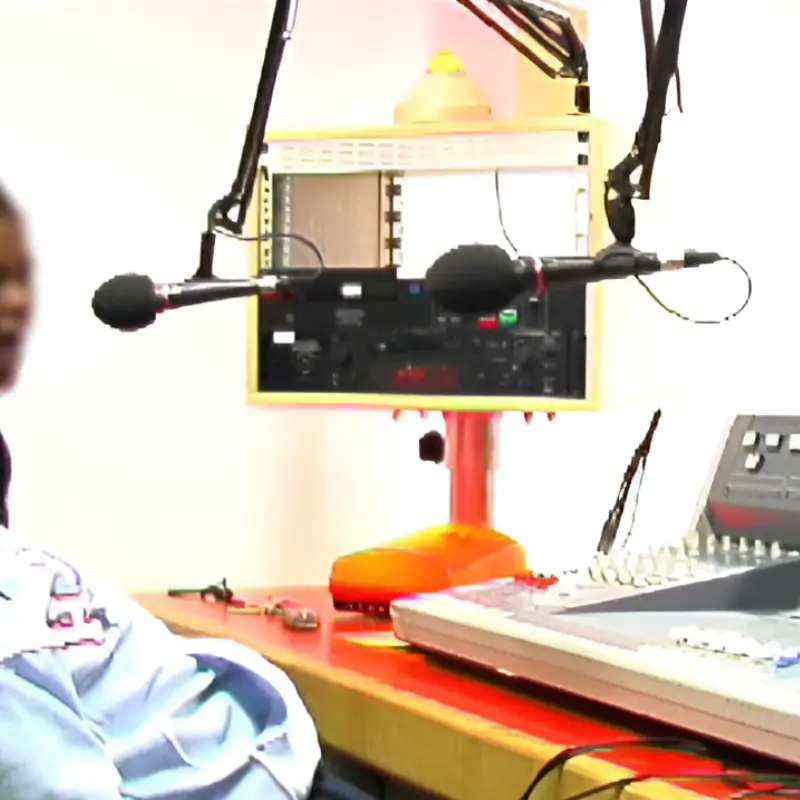
Five kids, thirteen and fourteen, suspended from school in South London. A ramshackle, brilliant, chaotic group. Woodwork. Cooking from scratch. A radio show — written, produced, and performed by them. What emerged wasn't just engagement — it was camaraderie. A group identity built on what they could make together rather than what they'd done wrong separately.
Every one of them reintegrated into school.
"Social skills don't come from instruction. They come from building a go-kart together."
Two groups of three — all ASD, all with social communication challenges — and a pile of Giant Meccano. Go-kart building. Tower challenges. Claymation films. Each project structured so different roles emerged naturally. Real maths. Real engineering thinking. Real negotiation about whose idea was best and why.
Friendships formed. Communication skills developed. Academic concepts embedded in things they'd made with their hands.
"This is where the real love of this work started."
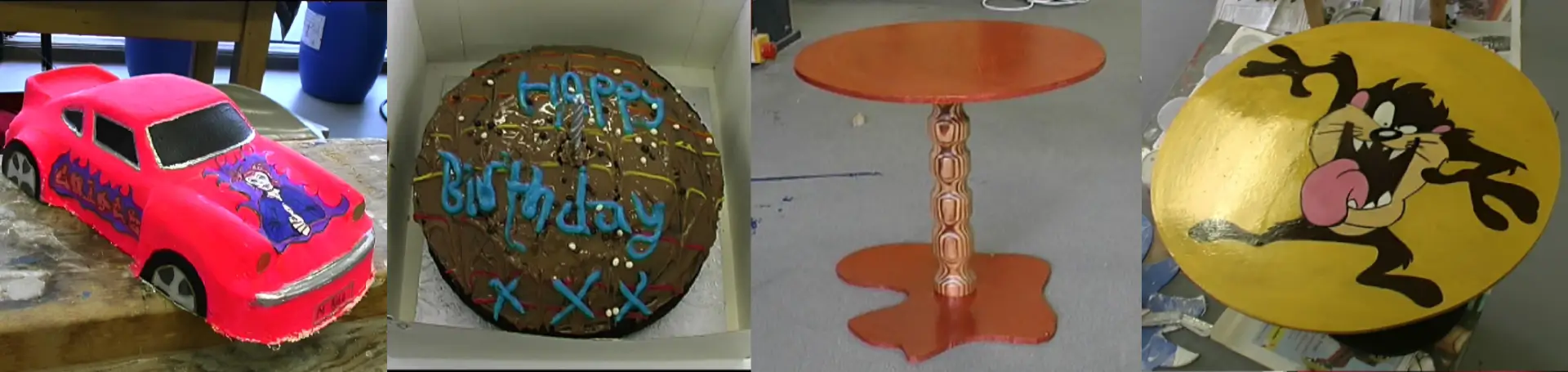
Francis Barber PRU, Wandsworth — four years building a curriculum from scratch. An inherited woodwork room turned into something else entirely: a place where excluded kids made coffee tables, lamps, stereo cabinets, RC cars, radio shows, and bread from scratch. A practical, no-writing curriculum designed for young people the conventional system had comprehensively failed.
The founding experience of Clearspace Learning. Where it all began.
Each programme is a vehicle. The learning happens inside it.
Robotics: Missions & Explorations
Build, code and race robots. From BBC micro:bit to Lego Spike Prime. Engineering thinking, coding fundamentals, systems analysis.
Product Design & Making
From sketch to prototype. 3D printing, CAD, woodwork, materials exploration. Real design process from brief to finished object.
Cosplay Design & Build
Characters, armour, props — designed and built. Art, design, engineering and personal identity woven into one project.
Mechatronics Projects
Electronics meets mechanics. Motors, sensors, circuits, systems. Real engineering challenges with visible outcomes.
Practical Science
Hands-on experiments, digital simulations, real-world application. Science that makes sense because you can see it working.
Games Design & Coding
Scratch, Tinkercad, game design frameworks. Creative computing for young people who learn best when they're building something they'd want to use.
Giant Meccano Challenges
Team challenges — tallest tower, best go-kart, most creative structure. Engineering thinking, collaboration and systems design in one session.
Personal Comms Through Engineering
Using engineering projects as the vehicle for developing presentation, explanation and communication skills. Real audience, real purpose.
Tell us about your young person and we'll suggest what fits best.
Get in touch